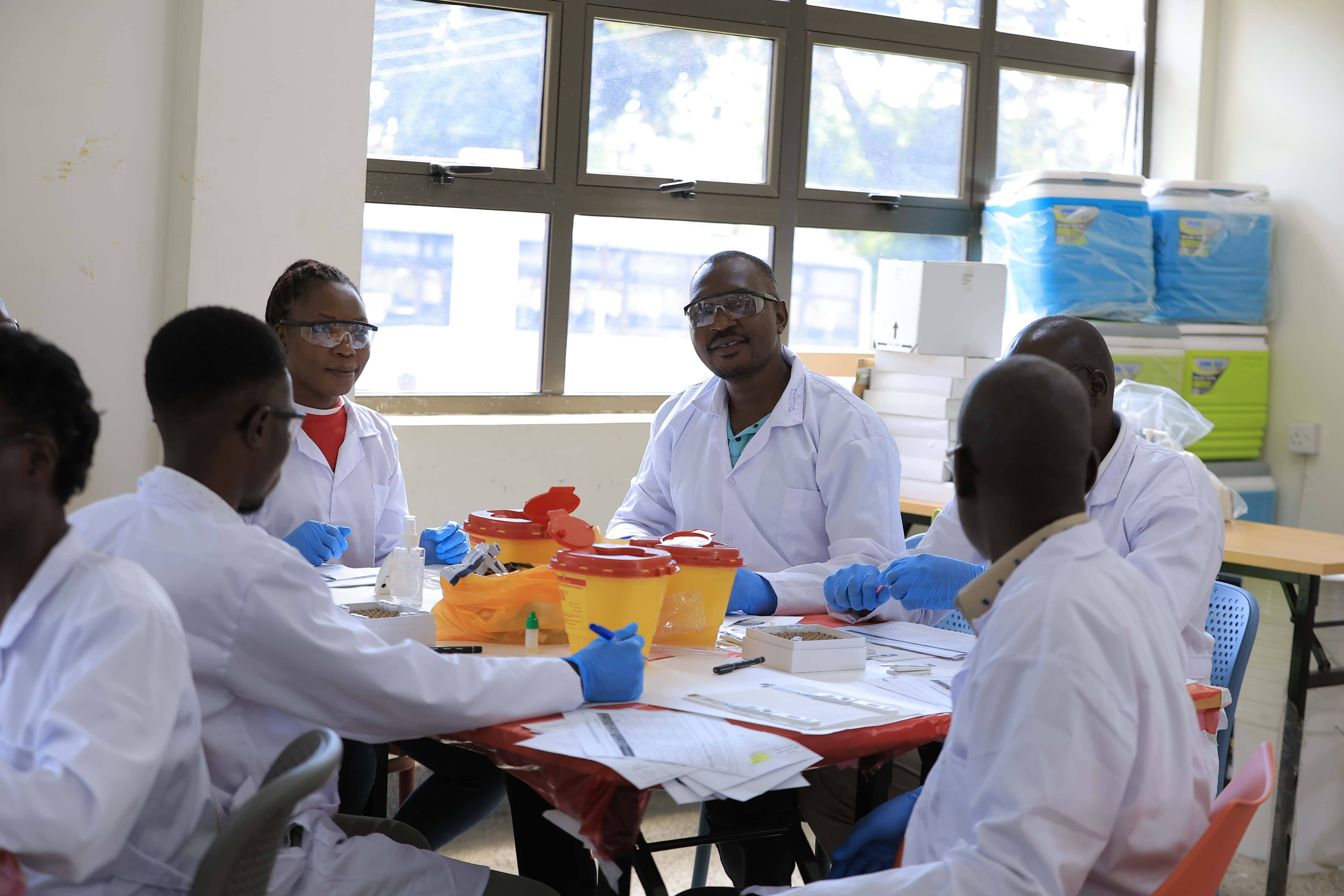
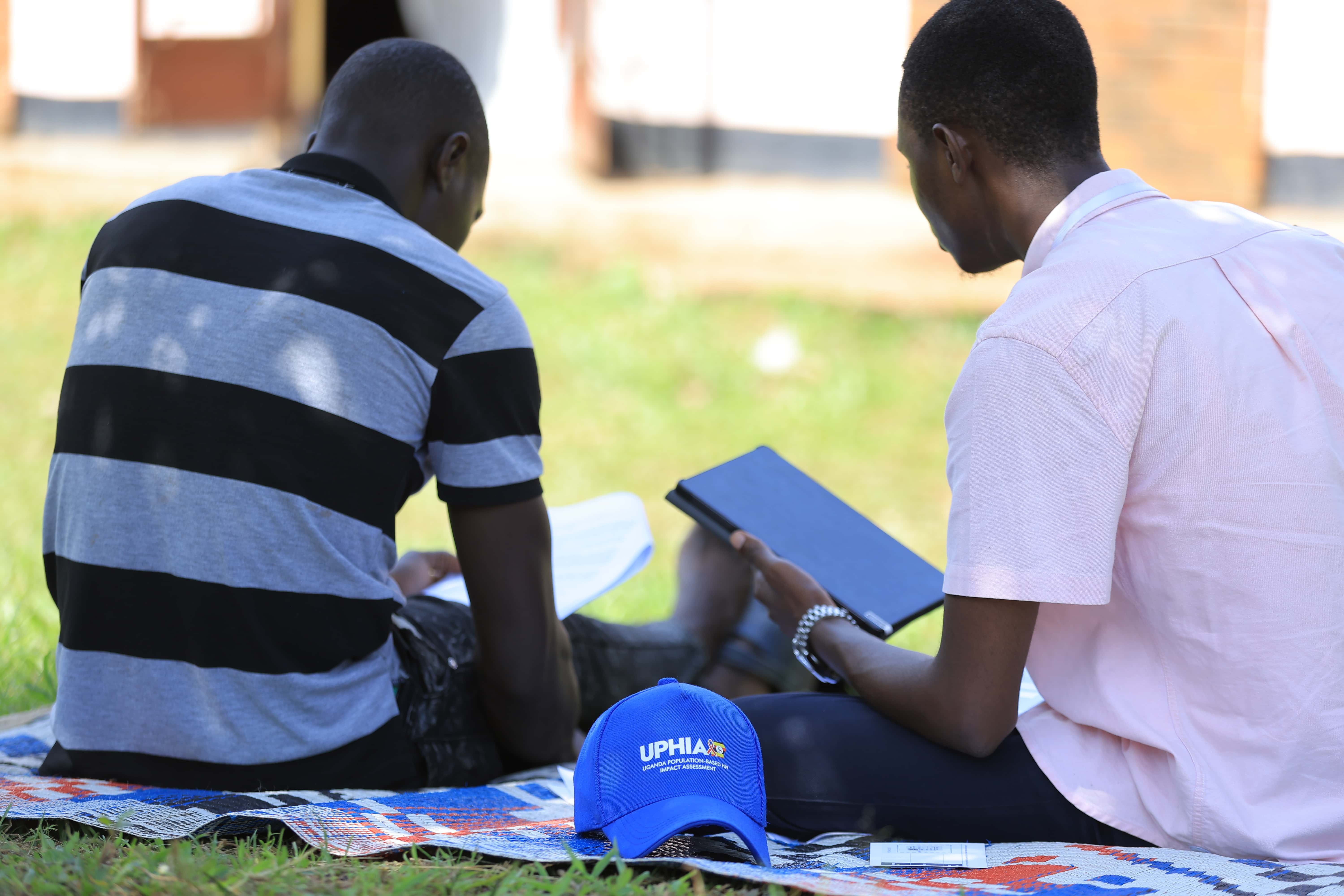
Training

Building Capacity for Excellence

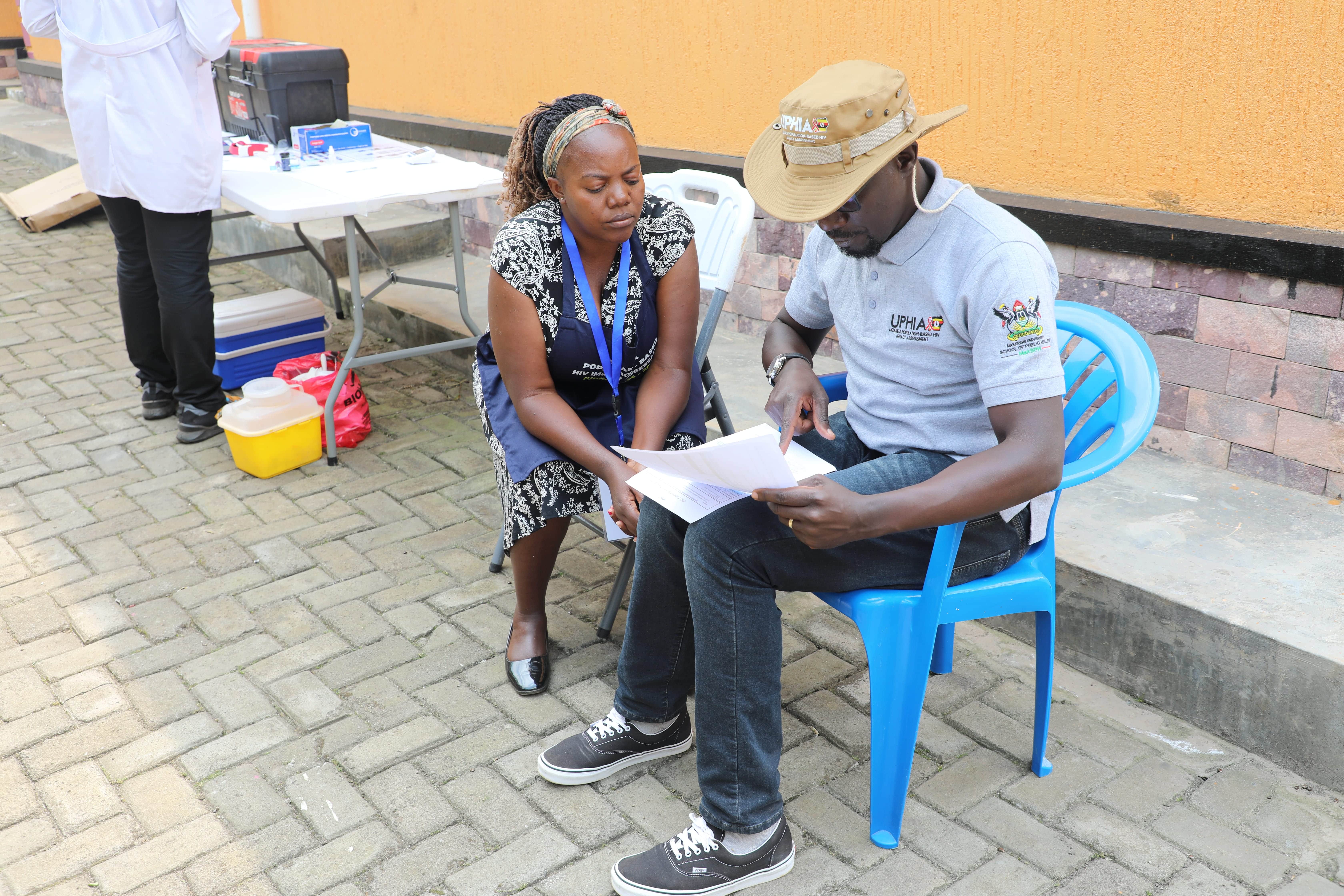
Household Listing

Systematic Household Identification

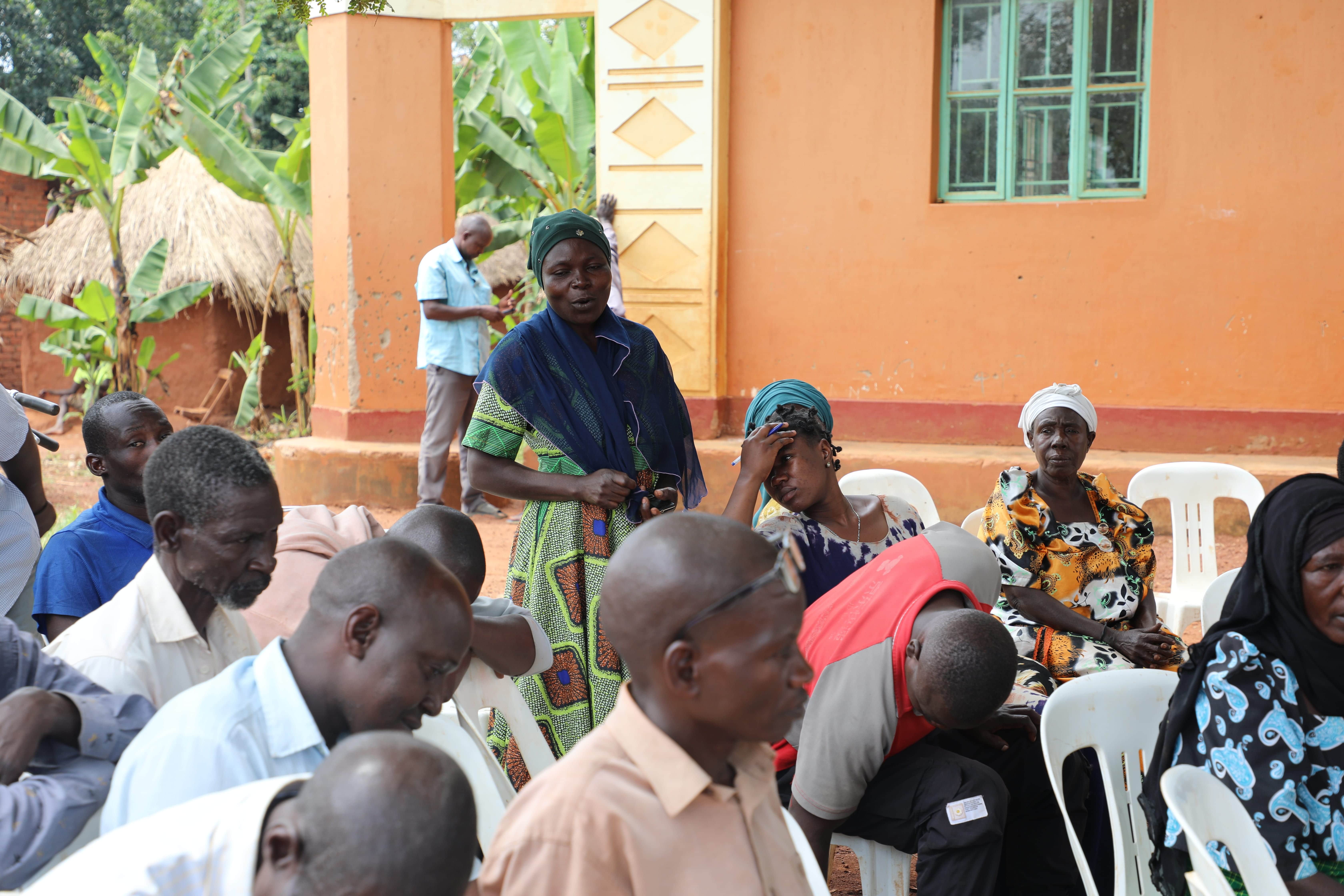
Community Mobilisation

Engaging Communities for Success

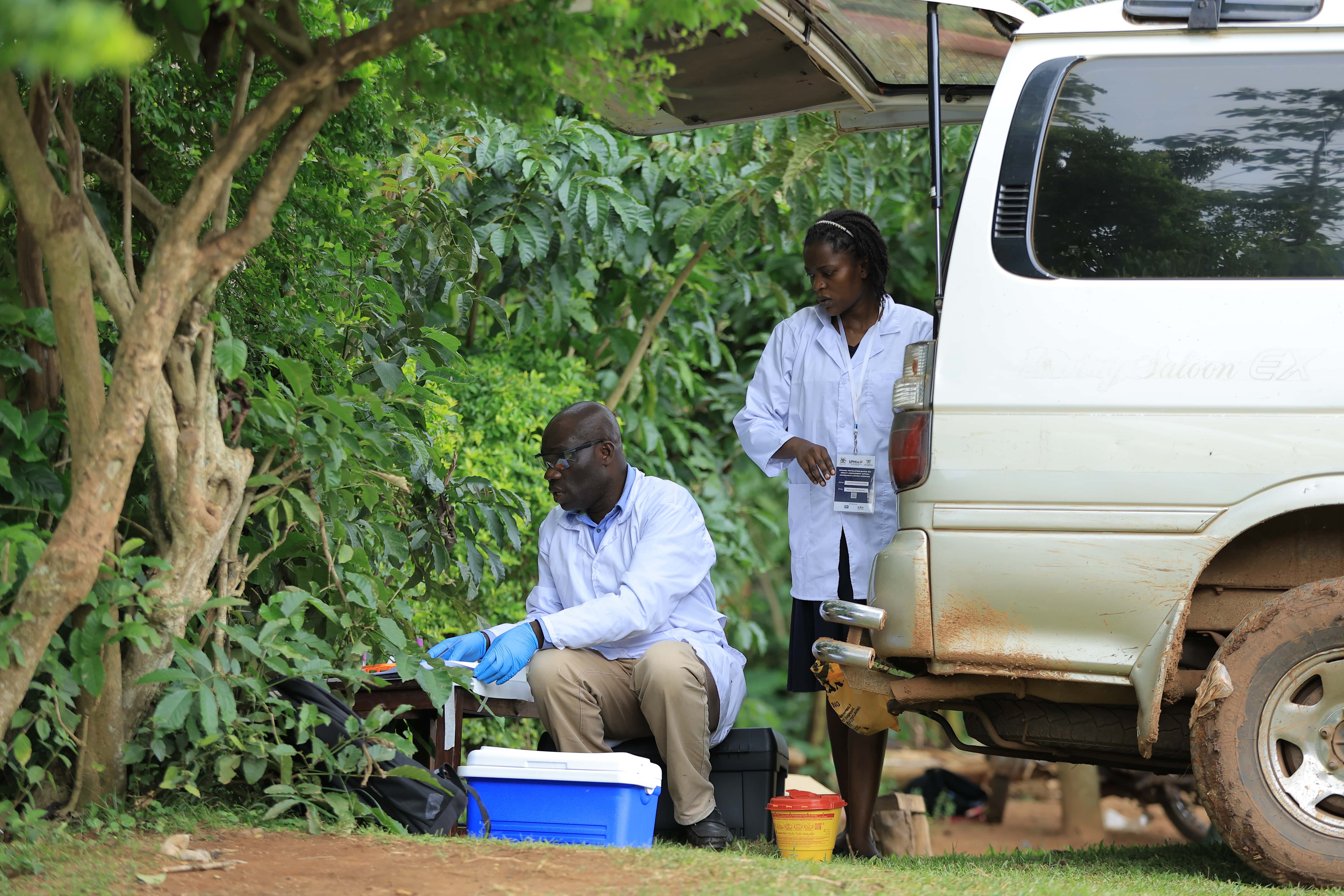
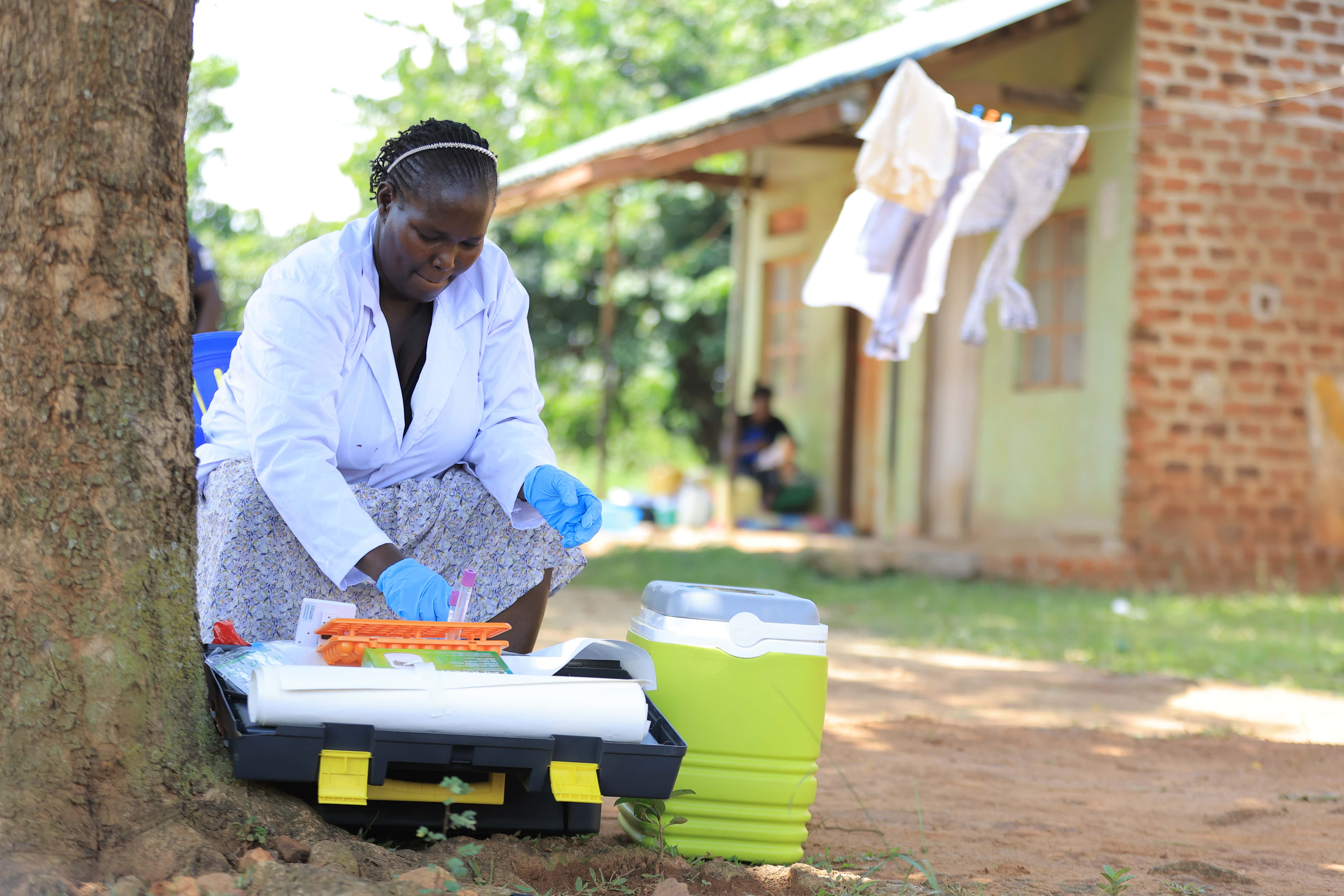
Data Collection and Laboratory Blood Sample Testing

Comprehensive Health Assessment

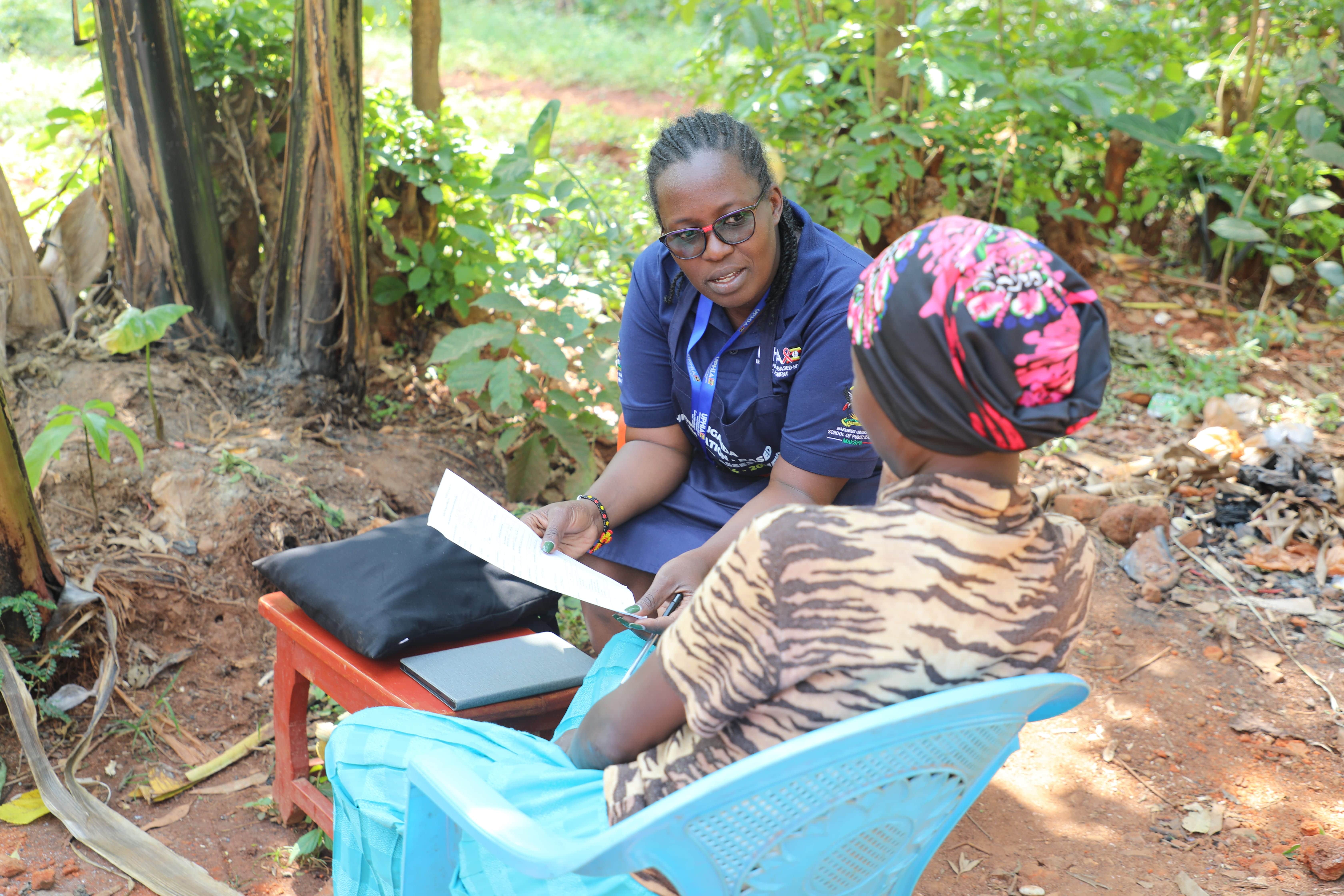
Counseling and Return of Results

Confidential Support and Care Linkage

UPHIA 2024-2025 at a Glance

Our comprehensive survey reaches communities across Uganda to provide crucial data for HIV response planning

7,000

Households Surveyed

16,000

Participants Enrolled

11

Districts Covered

2024-2025

Survey Period

Why UPHIA 2024-2025?

A nationally representative survey to assess Uganda's HIV response and guide epidemic control

Impact Assessment

Measures HIV prevalence and treatment coverage across Uganda's communities

UNAIDS 95-95-95

Tracks progress toward global HIV elimination targets

Evidence for Action

Informs policy decisions and resource allocation

How will UPHIA 2024-2025 be conducted?

Learn about the scientific approach and step-by-step process that ensures accurate, representative data collection across Uganda

Household Selection

Step 1

Household Selection

Using scientifically rigorous sampling methodology, households are randomly selected across all regions of Uganda to ensure national representativeness. The selection process follows a multi-stage cluster sampling design based on the Uganda National Population and Housing Census.

The sampling frame includes approximately 25,000 households across 15 regions of Uganda, with stratification by urban and rural areas. Each region contributes proportionally to the national sample size to ensure accurate representation of Uganda's demographic diversity.
Community Engagement

Step 2

Community Engagement

Before data collection begins, extensive community engagement activities are conducted to inform communities about the study, build trust, and ensure voluntary participation. Local leaders and health workers are briefed about the study objectives and procedures.

Community engagement includes meetings with local government officials, religious leaders, traditional authorities, and community health workers. Information sessions are held to educate communities about the study benefits and address any concerns about participation.
Data Collection

Step 3

Data Collection

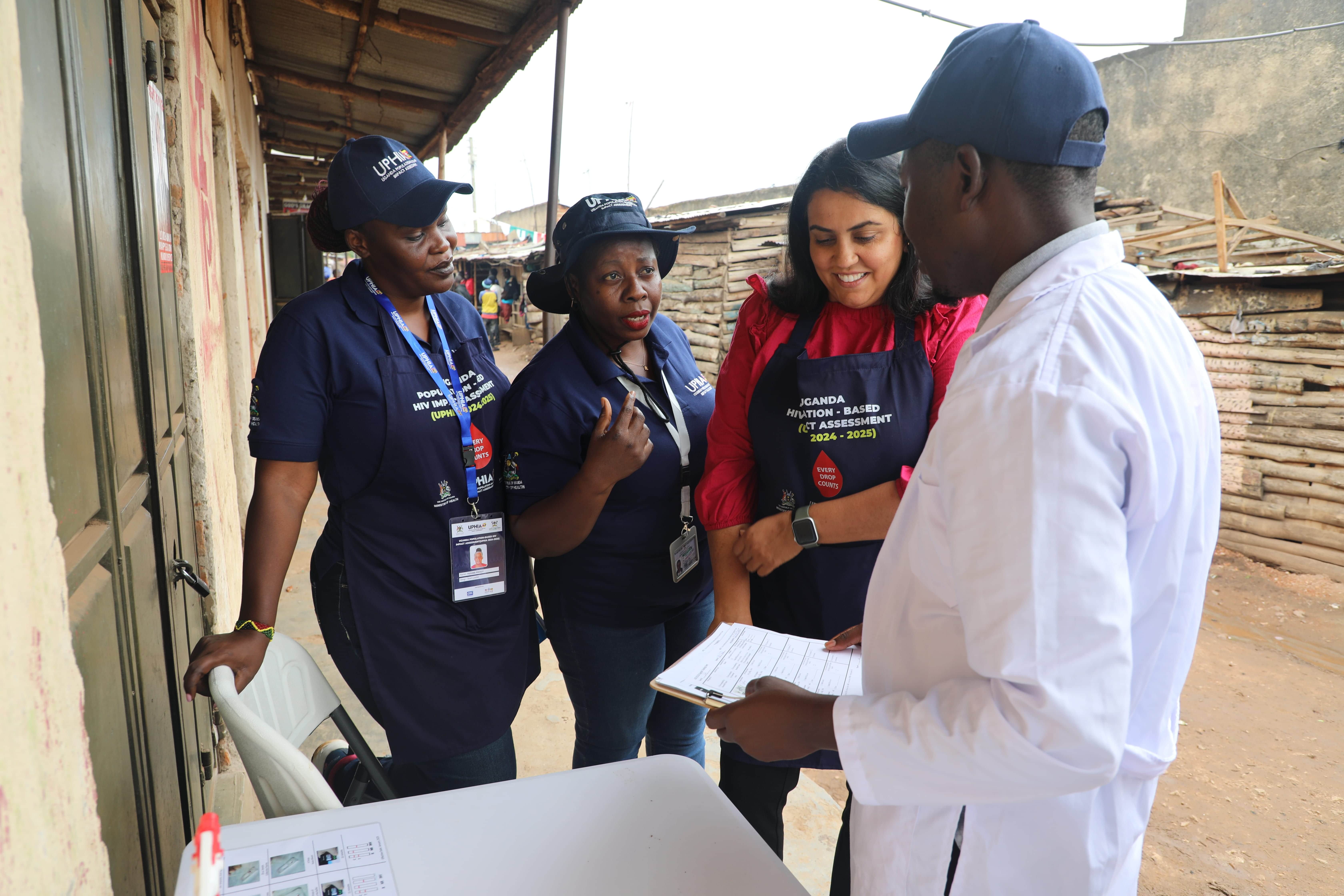
Trained field teams conduct structured interviews with eligible household members to collect demographic, socioeconomic, behavioral, and health-related information. All interviews are conducted using standardized questionnaires and follow strict quality assurance protocols.

Data collection includes individual interviews for adults (15+ years), household interviews, and collection of biological specimens. All data collectors undergo intensive training on interview techniques, ethical conduct, and use of electronic data collection tools.
Laboratory Testing

Step 4

Laboratory Testing

Blood samples collected from consenting participants undergo comprehensive HIV testing in certified laboratories. Testing includes HIV status determination, viral load measurement for those HIV-positive, and additional biomarker analyses to provide comprehensive epidemiological data.

Laboratory procedures follow international standards and include quality control measures. Testing is performed using dried blood spots (DBS) and includes HIV antibody testing, HIV DNA/RNA testing for confirmation, and viral load testing. All specimens are processed in accredited laboratories with strict chain of custody protocols.
Return of Results

Step 5

Return of Results

Participants receive their individual HIV test results through a confidential and supportive process. Those testing HIV-positive are linked to appropriate care and treatment services, while all participants receive counseling and health education materials.

Results are provided within 4-6 weeks of sample collection through designated health facilities or trained counselors. HIV-positive individuals are immediately linked to antiretroviral therapy (ART) services and receive comprehensive support including adherence counseling, treatment monitoring, and psychosocial support.

Steps advance automatically every 8 seconds, or use navigation above

Benefits of Participating in UPHIA

Participating in UPHIA 2024-2025 provides immediate benefits to individuals and communities while contributing to Uganda's broader HIV response

Contributing to Better Health Systems

Contributing to Better Health Systems

Contributing to Better Health Systems

Your participation will contribute to improving health systems, policies and programs to address the HIV epidemic in Uganda.

Free HIV and Health Testing

Free HIV and Health Testing

Free HIV and Health Testing

This survey also provides an opportunity to receive free and voluntary HIV and blood sugar testing in the privacy of your home if you are 15 years or older.

Early Detection and Treatment

Early Detection and Treatment

Early Detection and Treatment

It is important to get tested and know your status. If you do test positive, receiving lifesaving antiretroviral treatment as early as possible will help you live a long and healthy life.

Valuable Community Information

Valuable Community Information

Valuable Community Information

Your participation will also provide the Ministry of Health with valuable information on how effective HIV policies and programs are in your community and will inform national-level advancements.

Health Monitoring Benefits

Health Monitoring Benefits

Health Monitoring Benefits

Monitoring of blood pressure and blood sugar helps in making an early diagnosis of hypertension or diabetes mellitus, which is helpful in taking early corrective measures leading to better control of blood pressure and blood sugar levels.

Latest News & Updates

Stay informed about UPHIA 2024-2025 progress, research findings, and community impact stories

Study Updates

UPHIA 2024-2025 Field Work Begins Across Uganda

The Uganda Population-Based HIV Impact Assessment (UPHIA) 2024-2025 has officially commenced field w...

September 22, 2025 Read More →

Training & Capacity Building

Training Research Assistants for Quality Data Collection

Ensuring high-quality data collection is paramount to the success of UPHIA 2024-2025. Our comprehens...

September 15, 2025 Read More →
Community Engagement

Community Engagement: Building Trust for Better Health Data

The success of any population-based survey depends on strong community engagement and trust. For UPH...

September 19, 2025 Read More →

Our Partners

FUNDER
U.S. Centers for Disease Control and Prevention (CDC)

U.S. Centers for Disease Control and Prevention (CDC)

Primary Funder & Technical Lead

CDC is the primary funder and technical lead for UPHIA 2024-2025, providing comprehensive financial support, technical expertise in epidemiology and l...

GOV
Ministry of Health Uganda

Ministry of Health Uganda

Lead Implementing Agency

The Ministry of Health leads UPHIA implementation as the primary government institution responsible for health policy, service delivery, and coordinat...

GOV
Uganda Bureau of Statistics (UBOS)

Uganda Bureau of Statistics (UBOS)

Statistical Partner

UBOS provides crucial statistical expertise, sampling methodology, and data quality assurance, ensuring UPHIA results are nationally representative an...

ACADEMIC
Makerere University School of Public Health

Makerere University School of Public Health

Research & Training Partner

MakSPH provides epidemiological expertise, field research capabilities, and trains field teams, leveraging decades of experience in population health...