About UPHIA 2024-2025
Understanding Uganda's HIV Response through rigorous research and community engagement
What is UPHIA 2024-2025?

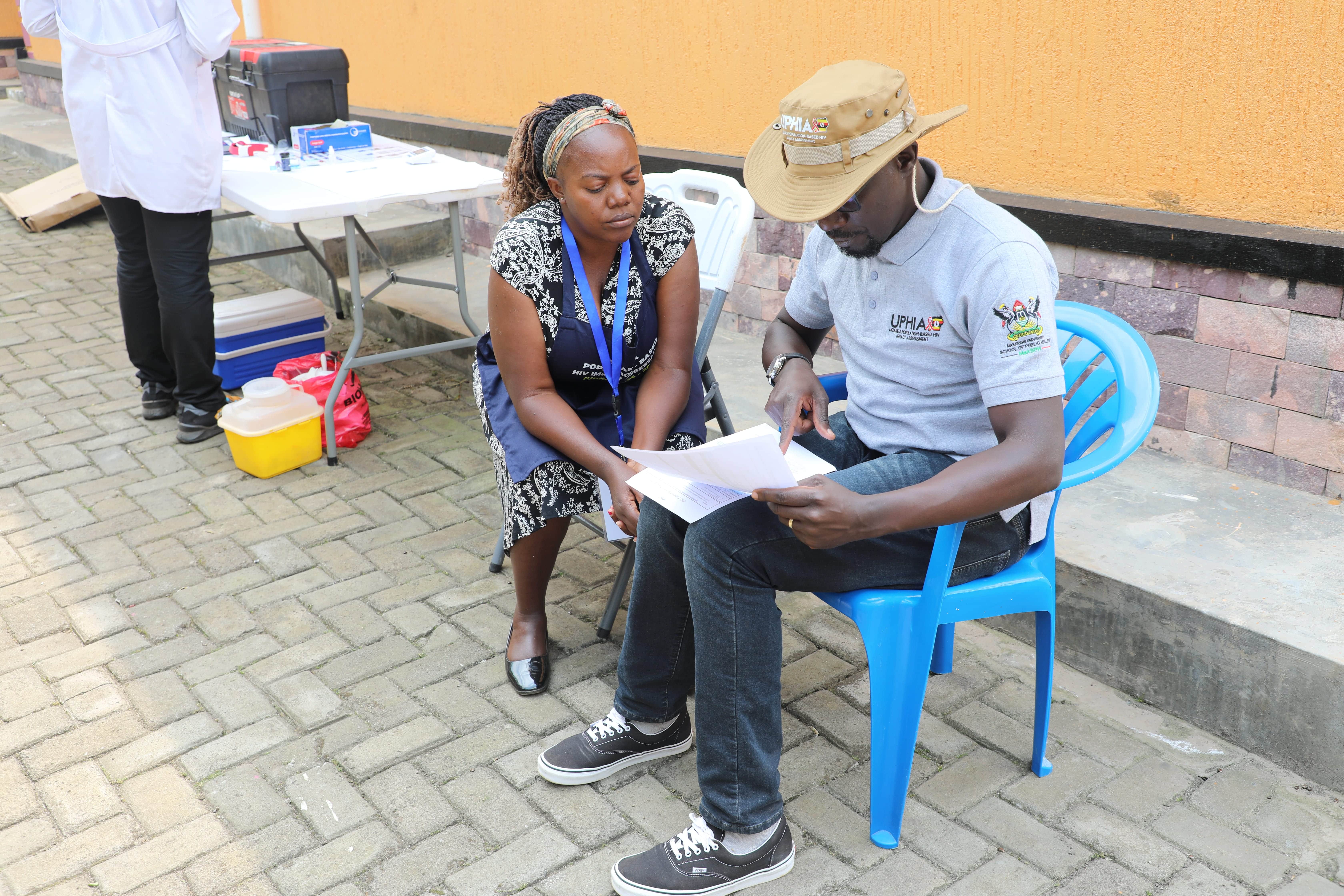
UPHIA Survey Team
Expert researchers conducting household interviews
Key Survey Components
Understand the comprehensive approach that makes UPHIA 2024-2025 a robust and scientifically rigorous assessment
Household Selection
Using scientifically rigorous sampling methodology, households are randomly selected across all regions of Uganda to ensure national representativeness. The selection process follows a multi-stage cluster sampling design based on the Uganda National Population and Housing Census.
The sampling frame includes approximately 25,000 households across 15 regions of Uganda, with stratification by urban and rural areas. Each region contributes proportionally to the national sample size to ensure accurate representation of Uganda's demographic diversity.
Community Engagement
Before data collection begins, extensive community engagement activities are conducted to inform communities about the study, build trust, and ensure voluntary participation. Local leaders and health workers are briefed about the study objectives and procedures.
Community engagement includes meetings with local government officials, religious leaders, traditional authorities, and community health workers. Information sessions are held to educate communities about the study benefits and address any concerns about participation.
Data Collection
Trained field teams conduct structured interviews with eligible household members to collect demographic, socioeconomic, behavioral, and health-related information. All interviews are conducted using standardized questionnaires and follow strict quality assurance protocols.
Data collection includes individual interviews for adults (15+ years), household interviews, and collection of biological specimens. All data collectors undergo intensive training on interview techniques, ethical conduct, and use of electronic data collection tools.
Laboratory Testing
Blood samples collected from consenting participants undergo comprehensive HIV testing in certified laboratories. Testing includes HIV status determination, viral load measurement for those HIV-positive, and additional biomarker analyses to provide comprehensive epidemiological data.
Laboratory procedures follow international standards and include quality control measures. Testing is performed using dried blood spots (DBS) and includes HIV antibody testing, HIV DNA/RNA testing for confirmation, and viral load testing. All specimens are processed in accredited laboratories with strict chain of custody protocols.
UPHIA in Action

Field Training
Preparing our teams
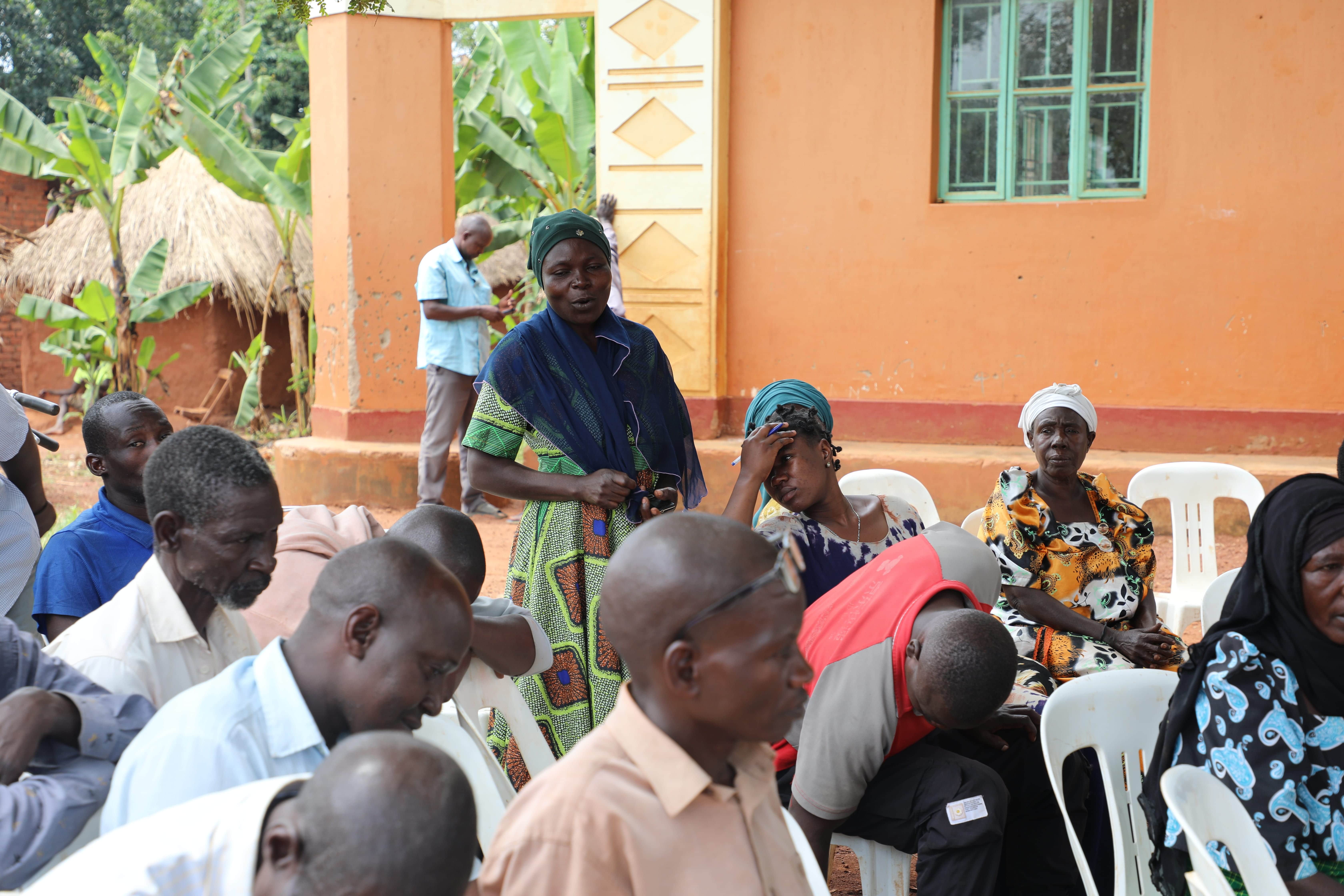
Community Engagement
Building relationships
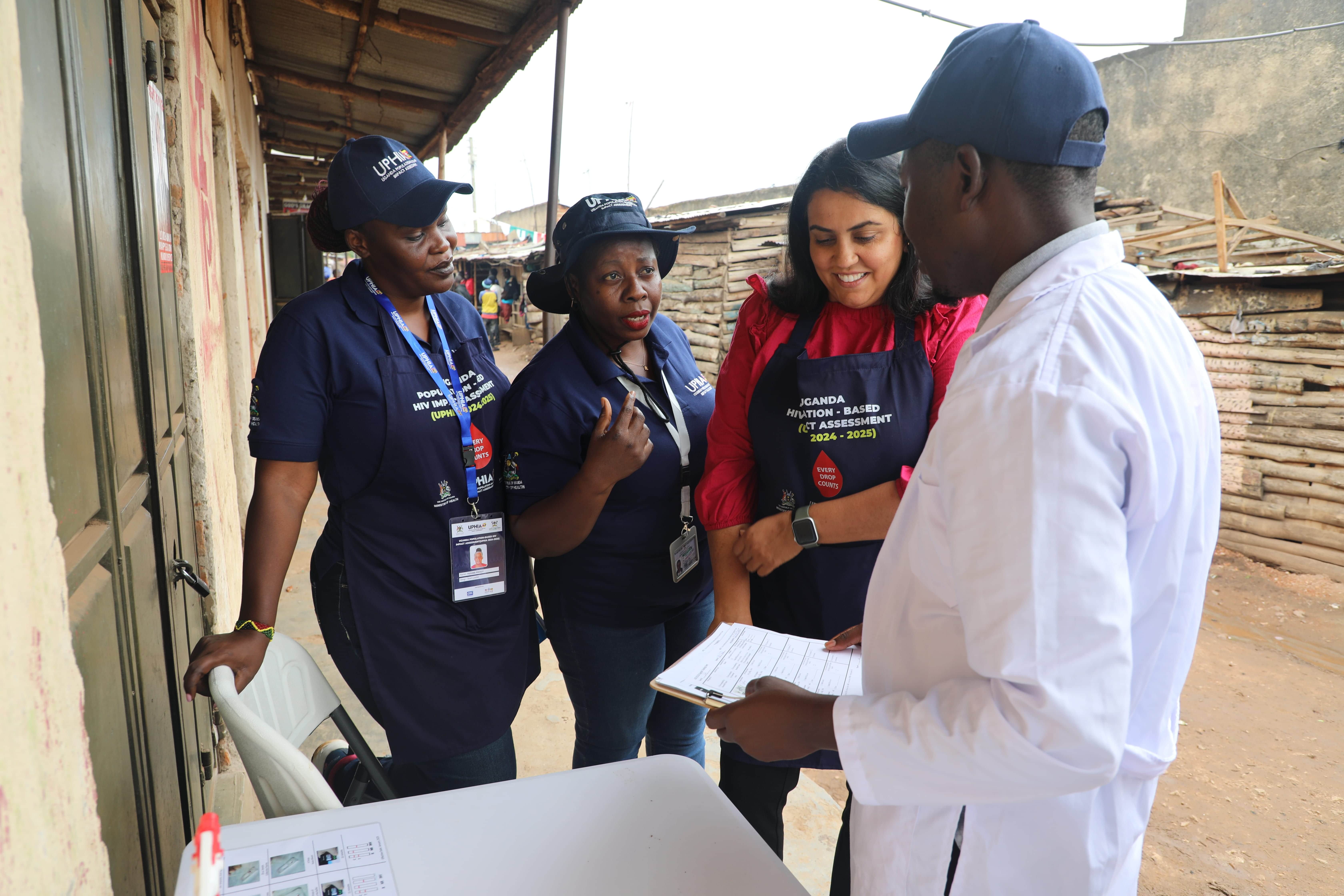
Data Collection
Gathering insights
Why UPHIA 2024-2025?
Measure HIV Epidemic Impact
Provide nationally representative estimates of HIV incidence, prevalence, viral load suppression, and other key HIV indicators to assess the current state of the HIV epidemic in Uganda and measure progress toward national and global HIV targets.
Inform Policy and Program Development
Generate high-quality evidence to inform national HIV policies, strategies, and program planning. Support evidence-based decision-making for resource allocation, program design, and implementation strategies to optimize HIV prevention, care, and treatment efforts.
Strengthen Health System Capacity
Build local capacity for population-based HIV surveillance, enhance laboratory systems, strengthen data management and analysis capabilities, and contribute to the development of a sustainable HIV monitoring and evaluation system in Uganda.
Who is Conducting the Survey?

UPHIA 2024-2025 is led by the Ministry of Health with support from the Uganda AIDS Commission, Uganda Bureau of Statistics, and Uganda Virus Research Institute. The survey is implemented by Makerere University School of Public Health in collaboration with international partners.
Key Leadership
Implementation Partners
Government of Uganda
- Ministry of Health
- Uganda AIDS Commission
- Uganda Bureau of Statistics
- Uganda Virus Research Institute
Technical Partners
- Makerere University School of Public Health
- U.S. Centers for Disease Control and Prevention
- ICAP at Columbia University
- PEPFAR
Collaborative Leadership

Joint Planning Sessions
Cross-institutional collaboration for survey success

Technical Coordination
Expert teams working together for quality outcomes
How is the Survey Conducted?
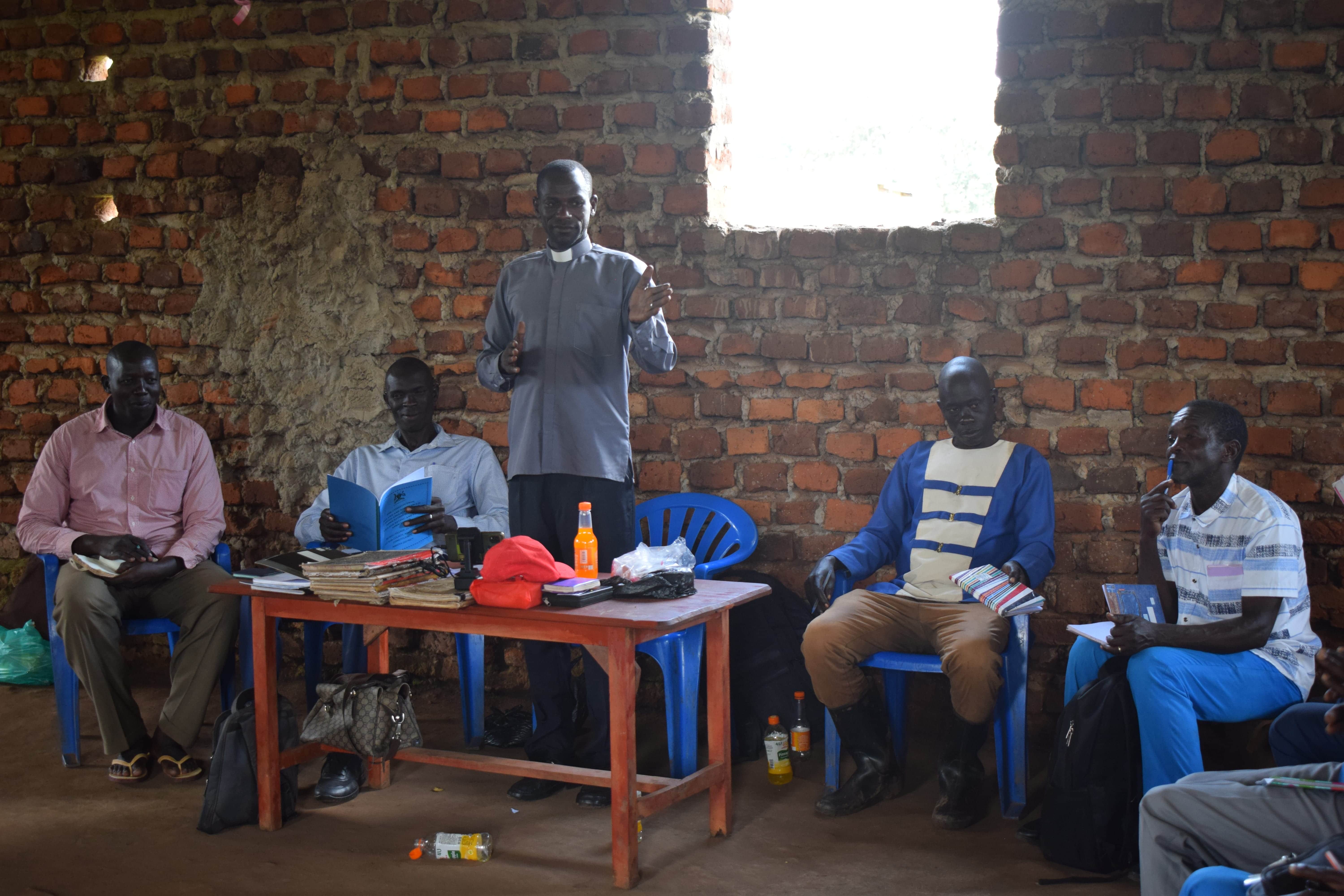
Step 1
Sample Selection
Enumeration areas are randomly selected from the national sampling frame, followed by random selection of households within each area. This scientific approach ensures representative data from across Uganda.
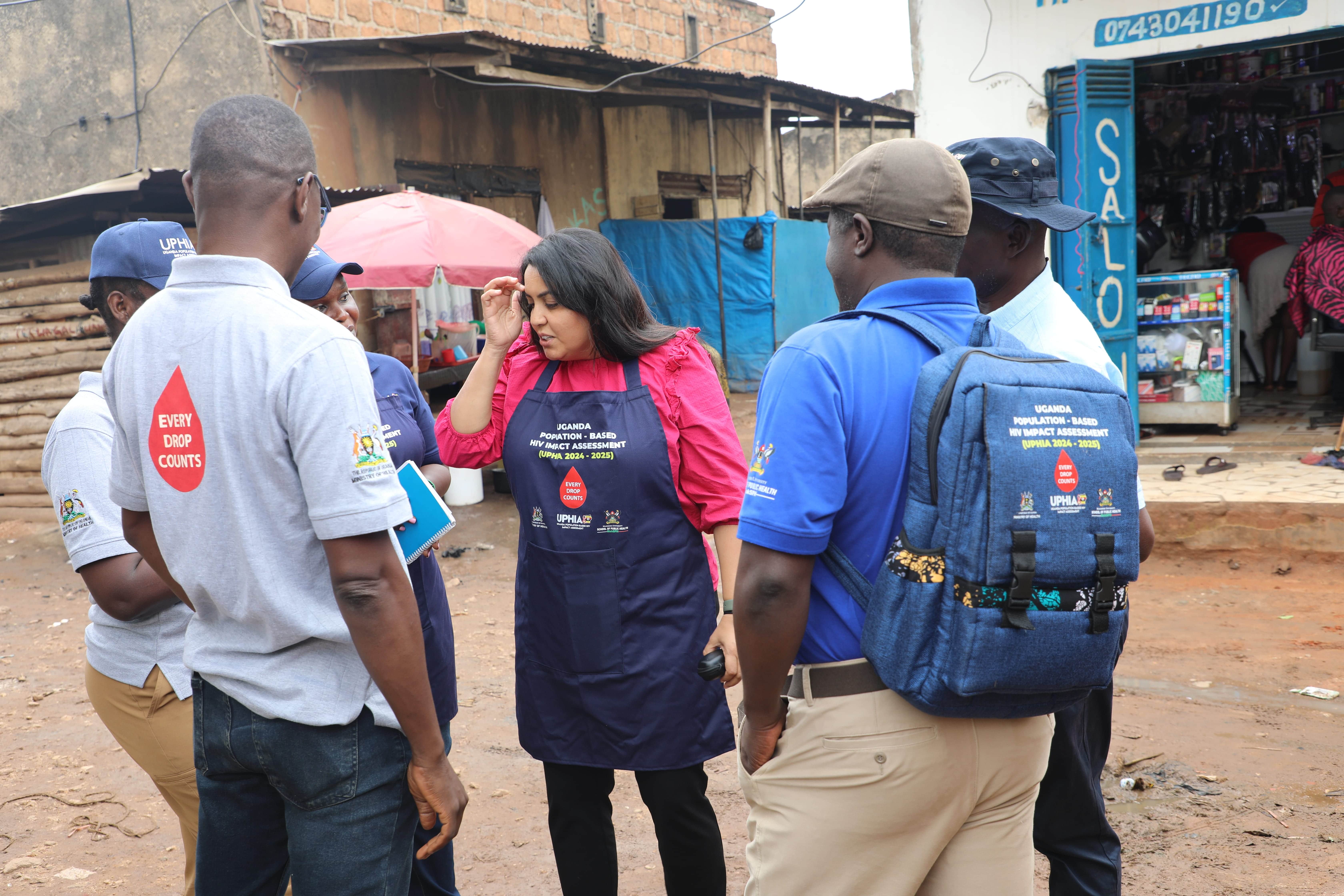
Step 2
Household Visit
Trained survey teams visit selected households to explain the survey, obtain consent, and conduct interviews with eligible household members. Community engagement is key to building trust.

Step 3
Biomarker Collection
With consent, blood samples are collected for HIV testing and other health assessments. Rapid HIV test results are provided immediately with appropriate counseling and support.

Step 4
Laboratory Testing
Samples are transported to central laboratories for viral load testing, recent infection testing, and quality assurance. Advanced laboratory techniques ensure accurate results.
Step 5
Results Return
Laboratory results are returned to participants through health facilities. Those testing positive are linked to care and treatment services with ongoing support and follow-up.
Steps advance automatically every 9 seconds, or use navigation above
Can Any Person Be Part of the Survey?
UPHIA uses scientific sampling methods to select participants. Only households that are randomly selected can participate in the survey. This ensures that the survey results represent the entire population of Uganda and provide accurate insights into the nation's HIV status.
Who is Eligible?
- All members of randomly selected households
- Adults aged 15 years and above
- Children aged 0-14 years (with parental consent)
Participation is:
- Completely voluntary
- Confidential and anonymous
- Free of charge with health benefits
Selected for UPHIA?
If your household is chosen, you're making a valuable contribution to Uganda's health future. Your participation helps shape policies and programs that benefit all Ugandans.
UPHIA 2024-2025 Goals
Measure HIV Prevalence
Determine current HIV prevalence rates across different populations and regions
Assess Service Coverage
Evaluate the reach and effectiveness of HIV prevention, care, and treatment services
Inform Policy Decisions
Provide data to guide national HIV response strategies and resource allocation